

Are Collectible Art Toys Worth Displaying on a Shelf?
Quick Summary
Yes, collectible art toys are worth displaying on a shelf when you choose pieces with the right size, finish and packaging for open display. A well-planned art toys display lets figures be seen from across the room and reflects your personal taste. Measure shelf depth and weight limits before buying.
- Measure shelf depth first, since figures can overhang narrow ledges.
- Leave at least 2 inches of clearance above the tallest figure on each shelf.
- Standard floating shelves run 4 to 12 inches deep.
- Keep a clear margin at the front edge to prevent accidental drops.
- Start with one or two favorite pieces and add to your shelf slowly.
Table of Contents
- Why Collectible Art Toys Belong on a Display Shelf
- How to Choose Collectible Art Toys That Suit a Shelf
- Display Shelves for Collectibles: Styles, Materials and Lighting
- Wall Shelves for Collectibles in Small Spaces
- Arranging, Styling and Protecting Your Art Toys
- Where to Find Collectible Art Toys for Sale and Start Your Shelf
- Frequently Asked Questions
Are Collectible Art Toys Worth Displaying on a Shelf?
Last Updated: November 14, 2026
Collectible art toys make a striking shelf display, and a few well-chosen art toys display pieces can change a room. The short answer is yes, provided you choose pieces with the right size, finish and packaging for open display. This guide walks through what to look for, how to style a shelf, and where to start your collection.
Why Collectible Art Toys Belong on a Display Shelf
Art toys are small sculptural figures, often designed by independent artists and released in limited runs. Many collectors keep them on a shelf because the figures are meant to be seen, not stored in a box. A shelf turns a set of individual pieces into a deliberate display.
Display works well for a few practical reasons:
- Visibility: Figures can be appreciated from across the room rather than hidden in packaging.
- Variety: Mixing sizes, colors and characters creates visual interest without much effort.
- Personal expression: A shelf reflects your taste more than any single figure does.
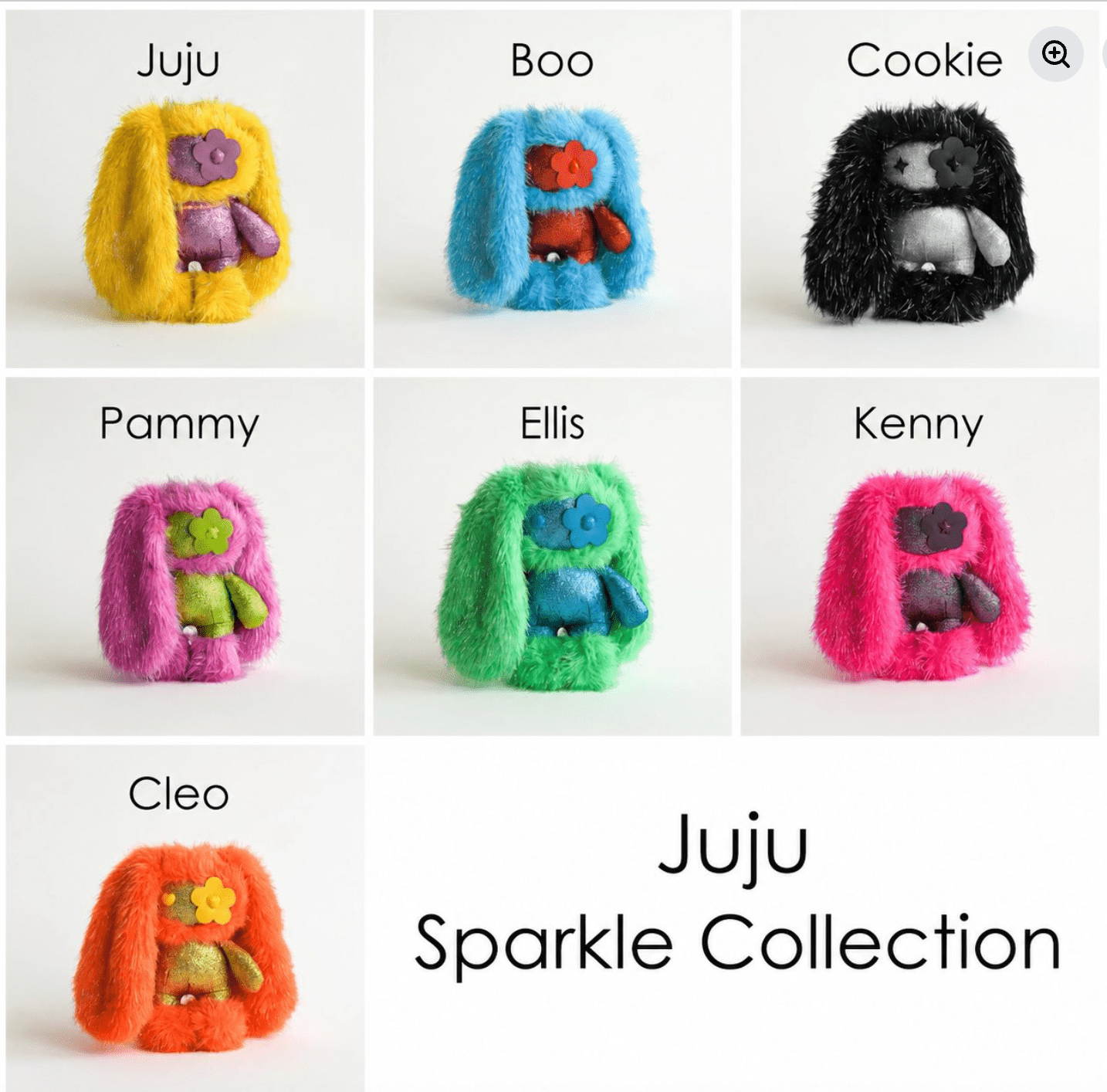
The CJ Hendry Juju Sparkle Series Art Collectible is one option to consider. It is offered in mint condition with its original tin or bag, pamphlet and stickers.
How to Choose Collectible Art Toys That Suit a Shelf
Not every art toy suits a shelf. Some are large, some are fragile, and some are sold in packaging that is hard to display. Start by thinking about the space and the piece.
Figure Scale, Shelf Depth and Weight Limits
Measure the shelf depth before you buy. A figure that looks small online can overhang a narrow ledge. Check that your shelf is rated for the combined weight of your collection, and keep heavier pieces on lower brackets. Leave a little space between figures so each one reads as its own piece.
Budget and Value Guidance
Prices vary widely. Our listings start at $2.00 for the Mini Flocked Animal Figurines and reach $950.00 for the CJ HENDRY JUJU - OG JUJU, which comes with its original tin. Set a monthly spending limit and buy the pieces you will keep displayed for years, rather than chasing every release.
Display Shelves for Collectibles: Styles, Materials and Lighting
The right shelf makes a collection look intentional, and the material you choose affects both how figures read visually and how much weight the shelf can safely hold. A mix of one open shelving unit and two or three floating shelves can cover a range of art toy sizes without overwhelming a wall.
Shelf Materials Compared
- Glass: Tempered glass shelves in 1/4-inch to 3/8-inch thickness are common for display cases and wall-mounted units. Glass shows off figures without visual distraction and wipes clean easily, but it shows dust and fingerprints faster than wood. Check that the glass is tempered and that the brackets are rated for the shelf's loaded weight.
- Wood: Solid wood and engineered wood shelves in 3/4-inch to 1-inch thickness handle heavier resin and vinyl figures well. Wood gives a warmer look that suits themed and minimalist rooms, but unfinished wood can off-gas and stain light-colored figures over time, so sealed or painted finishes are safer for long-term display.
- Metal: Steel and aluminum shelves in 1/16-inch to 1/8-inch thickness suit modern interiors and industrial shelving systems. Metal is strong for its thickness, but bare metal edges can scratch figures, so look for powder-coated or rubber-edged shelves when displaying glossy art toys.
Shelf Depth, Spacing, and Weight
Standard floating shelves run 4 to 12 inches deep. A 4-inch shelf holds most blind-box figures and small vinyl toys; 8 to 12 inches is safer for larger designer pieces and anything with a wide base or outstretched arms. Leave at least 2 inches of clearance above the tallest figure so you can lift it off without knocking neighbors. For weight, a wall-mounted floating shelf anchored into studs typically holds 20 to 50 pounds depending on bracket design and wall type; keep heavier resin pieces on lower shelves and near the brackets rather than at the shelf ends.
Lighting Options
LED strip lighting along the underside of a shelf highlights colors and details, especially on glossy finishes. Look for adjustable color temperature in the 2700K to 4000K range: warmer light flatters wood and themed displays, while cooler light makes vinyl and resin colors pop. Keep LED strips on a dimmer and avoid direct, high-intensity light on painted or printed figures, since prolonged exposure can fade pigments. Battery-powered puck lights are a low-commitment option for renters and small shelves.
Watch out: mounting a floating shelf into drywall without studs or proper toggle anchors can fail under the combined weight of a full collection, so confirm the anchor rating before loading a shelf.
The article compares three common shelf materials, each with a different strength and drawback for displaying art toys.
| Material | Typical thickness | Key trade-off |
|---|---|---|
| Glass | 1/4-inch to 3/8-inch | Clean look, but shows dust and fingerprints |
| Wood | 3/4-inch to 1-inch | Handles heavy figures, but unfinished wood can stain |
| Metal | 1/16-inch to 1/8-inch | Strong for its thickness, but bare edges can scratch |
Wall Shelves for Collectibles in Small Spaces
You do not need a large room to build a display, but small spaces punish poor planning faster than large ones. A narrow wall shelf above a desk or beside a bed can hold a dozen small figures if you match the shelf dimensions to the figure scale before you buy.
A Simple Shelf-Ready Selection Framework
Use these five criteria when deciding whether an art toy belongs on an open shelf:
- Scale: Measure the figure's height and base width. A figure taller than the shelf's clearance or wider than the shelf depth will overhang or crowd neighbors.
- Visual impact: One large anchor piece plus several small figures reads better than a row of same-sized pieces. Aim for one piece at roughly twice the height of the others.
- Stability: Figures with wide, flat bases stand safely on open shelves; figures with narrow feet or top-heavy poses are better in enclosed cases or on lower shelves.
- Materials: Resin and vinyl are common art toy materials. Resin is heavier and more brittle; vinyl is lighter and more forgiving of small bumps. Both should be kept out of direct sunlight.
- Shelf compatibility: Confirm the shelf's depth, weight rating, and clearance before adding a piece to your wishlist.
Spacing Math for Small Shelves
A common pattern is to plan roughly 3 to 4 inches of horizontal space per small figure and 6 to 8 inches per medium figure, then leave 20 to 30 percent of the shelf empty. On a 24-inch shelf, that means about five small figures or three medium ones with breathing room. Place taller pieces at the back and smaller ones in front, and leave open space so the shelf does not feel crowded. Our Hello Kitty, Kuromi and Cinnamoroll Lucky Fortune Display Figurines, priced at $15.00, are a compact choice for this kind of spot because their small footprint suits narrow shelves.
Care and Preservation on Small Shelves
Small shelves sit closer to daily life, so dust and handling are bigger risks. Dust figures gently with a soft brush, and keep shelves out of direct sunlight. Rotate pieces from time to time so the display feels fresh and so you can inspect each figure for loose parts.
Watch out: placing figures too close to the front edge of a narrow shelf is the most common cause of accidental drops, so leave a clear margin at the front of every shelf.
Arranging, Styling and Protecting Your Art Toys
Group figures by theme or color, then vary the heights. Place one larger piece as an anchor and build around it. Rotate pieces from time to time so the display feels fresh.
Protection matters as much as placement. Keep shelves out of direct sunlight, and dust figures gently with a soft brush.
A common mistake is placing figures too close to the edge of a shelf, where a bump can knock them off. Leave a clear margin at the front of every shelf.
Where to Find Collectible Art Toys for Sale and Start Your Shelf
Start with one or two pieces you love for your art toys display, then add to them slowly. The CJ HENDRY JUJU - MISMATCH SERIES and CJ Hendry JuJu Animal Print Series collectibles, both priced at $50.00, are options to consider when starting a shelf. Browse the full selection at Hiitzchrissy to find pieces that suit your space and budget.
BUTTON: Shop Art Toys CARD_TITLE: Ready to start your display shelf? CARD_TEXT: Hiitzchrissy offers curated collectible figures with original packaging, from $2.00 to $950.00.
Frequently Asked Questions
What are the best display shelves for collectible figures?
Open floating shelves and wall-mounted ledges work well for small art toys because they keep figures visible and easy to reach. The CJ HENDRY JUJU - OG JUJU is priced at $950.00. Choose shelves rated for the combined weight of your figures, and leave enough height above each piece so it does not crowd the shelf above.
How do you arrange art toys on a display shelf?
Group figures by size, placing the tallest pieces toward the back and smaller ones in front so every figure stays visible. Leave some empty space around each piece so the shelf does not look cluttered. Mixing series together, such as a CJ Hendry JuJu Rainbow Series piece beside a Sparkle Series figure, creates visual interest. Rotate pieces occasionally to keep the display fresh.
How do you keep collectible toys from getting dusty?
Keep figures out of direct sunlight, and return unused pieces to their original tin or bag when stored.
What should you look for when buying collectible art toys?
Check that each piece comes with its original packaging, including the tin or bag, pamphlet and stickers. Confirm the figure's height and width against your shelf depth and weight limit before buying. Compare the starting price of each listing, which ranges from $2.00 for mini flocked figurines to $950.00 for a first-generation OG JuJu, and set a budget per piece.
