

How to Fix Sticky Squishy Toys Without Ruining Them
Last Updated: November 19, 2026
Quick Summary
Fix a sticky squishy by cleaning it first: wipe the surface with a soft, slightly damp cloth, let it air-dry fully, then dust it with cornstarch only if tackiness remains. Skip alcohol, hot water, and harsh cleaners, which can break down the outer skin and make the stickiness worse.
- Wipe with a barely damp cloth, air-dry fully, then powder only if tackiness remains.
- Foam toys should never be submerged; clean them with a barely damp cloth only.
- Roll tape sticky side out to lift lint and cat hair before wiping with a damp cloth.
- Cornstarch is the safest default powder; baking soda is slightly gritty, so use it sparingly.
- Sticky and shedding bits mean the material is breaking down, so replace the toy.
Table of Contents
- Why Your Squishy Turned Sticky in the First Place
- How to Clean Squishy Toys Safely Before You Treat Stickiness
- How to Clean a Sticky Squishy Toy With Cornstarch
- Drying and Storing Your Squishy So It Stays Fresh
- How to Prevent Residue on Squishy Toys Going Forward
- Troubleshooting Stickiness by Cause
- Picking a Squishy That Holds Up to Daily Squeezing
- Frequently Asked Questions
Why Your Squishy Turned Sticky in the First Place
A sticky squishy is almost always a surface problem, not a ruined toy.
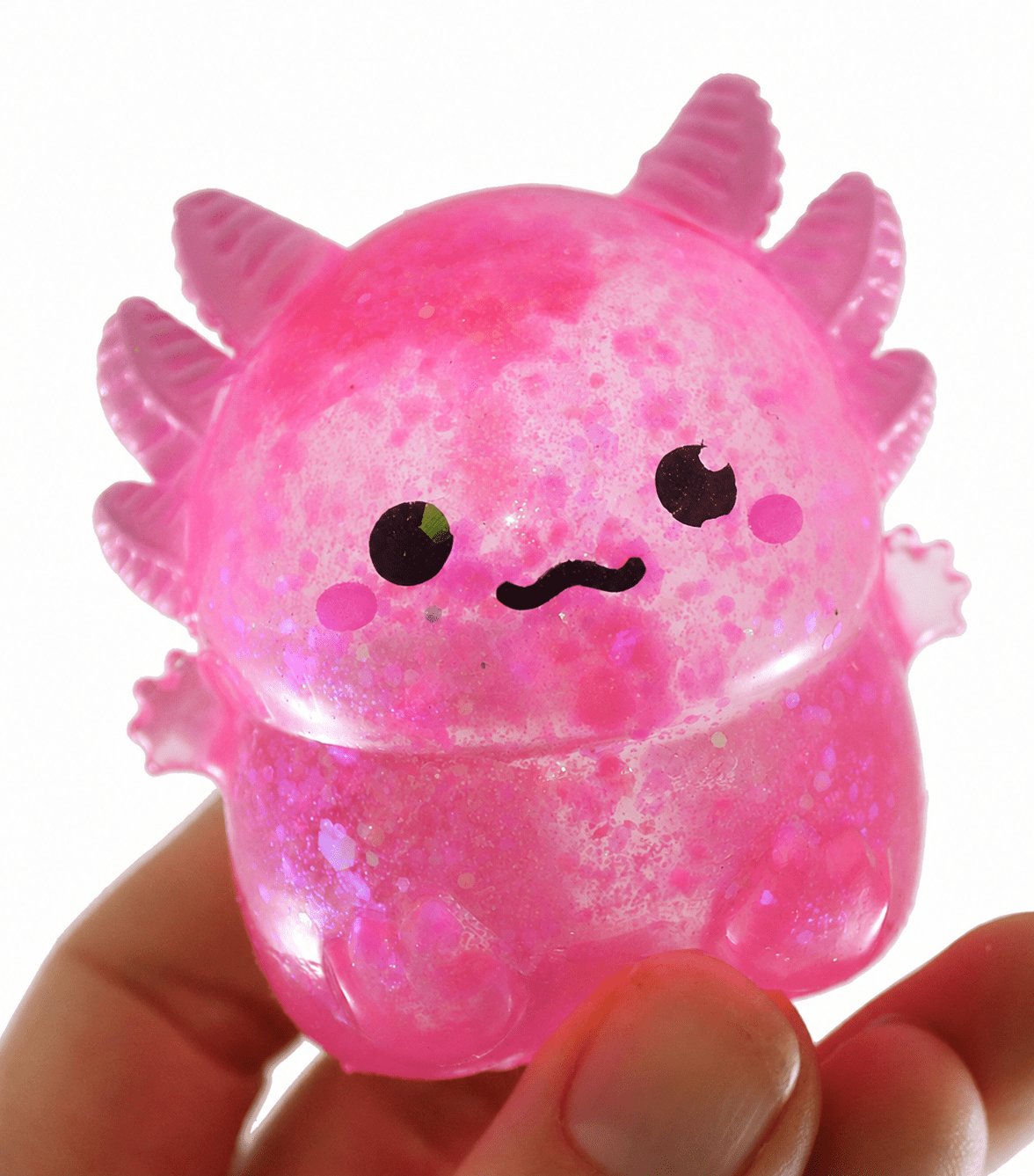
The first cause is surface residue.
The second cause is material breakdown. The outer skin of a stress ball or fidget toy can start to degrade with heavy use, heat, or sunlight.
Most sticky squishies are the first kind, and a quick clean often brings them right back.
Surface Residue vs. Material Breakdown
How do you tell them apart? Do a quick check with your fingers and eyes.
- Surface residue: the tackiness wipes off, the color is even, and the surface looks a little dull or fuzzy.
- Material breakdown: the squishy feels greasy or crumbly, the surface looks cracked or shiny-wet, and bits come off on your hand.
If it's residue, keep reading. If the skin is cracking or shedding, the toy is wearing out and it's time to replace it. That's a normal part of toy care, not a cleaning failure.
How to Clean Squishy Toys Safely Before You Treat Stickiness
Start with the gentlest method first. Wiping and air-drying fixes most sticky residue without any powder at all. But before you touch the surface, identify what the toy is made of, because the wrong method can turn a surface problem into a permanent one.
Identify the Material First
Squishy toys are not one material. The four common types react differently to water, powder, and heat:
- Foam (polyurethane or memory foam): porous and sponge-like. It absorbs water and soap, which can stay trapped inside and cause a musty smell or crumbly texture. Clean foam with a barely damp cloth only, and never submerge it.
- Gel-filled or water-filled: a thin outer skin holds the filling. Any pinhole or seam leak means the toy is done. Wipe the skin, never squeeze it hard while wet, and keep it away from sharp edges.
- Silicone or TPR (thermoplastic rubber): non-porous and tolerant of a damp cloth, but some TPR blends get tacky when exposed to alcohol, oil, or prolonged heat. Mild soap and water is the safe ceiling.
If you cannot tell the material, treat the toy as foam: damp cloth, no soaking, full air-dry. That is the conservative default.
The Safe Cleaning Order
Here is the order that works across materials:
- Wash your hands first. Oils from your hands are half the problem.
- Wipe the surface with a soft, slightly damp cloth. Wring it out so it is damp, not wet.
- Use a cotton swab for creases and small details.
- Let it air-dry fully before touching it again. Foam can take several hours; silicone dries in minutes.
- Only add powder if tackiness remains after a full dry.
Skip harsh cleaners, alcohol, and hot water. They can break down the outer skin and make the stickiness worse. Gentle cleaning is always the safer bet.
Watch out: on gel-filled toys, pressing hard while the skin is wet can force filling toward a seam and start a leak that did not exist before.
For a full damage-free walkthrough, see our guide on how to clean squishies without damage.
Wiping Down Dust, Lint, and Cat Hair
Dust and cat hair are the sneaky culprits. A squishy sitting on a desk collects both fast, and the residue traps them against the surface.
Roll a piece of tape over the toy, sticky side out, to lift loose lint and hair. Then wipe with a damp cloth to remove the fine dust underneath.
A common mistake is rubbing aggressively. That presses debris into the surface instead of lifting it off.
Drying Mechanics That Prevent Recurrence
Drying is not just waiting. Moisture left in creases or inside foam is what makes a toy turn sticky again within a day.
- Pat the surface dry with a clean, lint-free cloth.
- Set the toy on a wire rack or a clean towel in a cool, ventilated spot so air reaches all sides.
- Turn foam toys over halfway through drying so the underside is not sitting in trapped moisture.
A silicone toy is dry when the surface feels cool and slick, not clammy. A foam toy is dry when a light squeeze releases no moisture and the surface no longer feels cool to the touch. If you are unsure, give it another hour rather than powdering a damp surface, because powder on moisture clumps into a paste that is harder to remove than the original tackiness.
How to Clean a Sticky Squishy Toy With Cornstarch
Cornstarch is the go-to fix for a sticky squishy toy. It absorbs surface oils and leaves a dry, smooth feel.
Here's the step-by-step:
- Clean and fully dry the toy first.
- Sprinkle a small amount of cornstarch into a shallow dish.
- Dab the squishy into the powder, or dust it on with your fingers.
- Rub it in gently, covering the whole surface.
- Shake off the excess over a sink or trash can.
- Squeeze the toy a few times to work powder into the creases.
- Wipe away any leftover powder with a dry cloth.
Repeat once if the tackiness lingers. This powder treatment is safe for most squishy materials, but always test a small spot first.
If you own a slow-rising squishy, the powder method needs a lighter touch. Our guide on how to clean slow rising squishies covers the material-specific steps.
Cornstarch, Baby Powder, or Baking Soda?
All three reduce tackiness, but they behave differently. Pick based on what you have and how sensitive the toy is.
| Powder | Best For | Watch Out For |
|---|---|---|
| Cornstarch | Everyday sticky residue | Can clump if the toy is damp |
| Baby powder (talc-free) | A smooth, silky finish | Scent may linger; use talc-free only |
| Baking soda | Absorbing heavy oil buildup | Slightly gritty; rinse off any excess |
Cornstarch is the safest default for most squishy toys. Talc-free baby powder works well when you want a smoother feel. Baking soda handles greasy buildup but leaves a bit of grit, so use it sparingly.
Never use powder near your face or breathe it in. Keep powders away from young children and pets.
Drying and Storing Your Squishy So It Stays Fresh
Drying is the step most people rush, and it's the one that decides whether the fix lasts. A damp squishy grabs dust and turns sticky again fast.
Pat the toy dry with a clean cloth, then let it air-dry in a cool spot. Keep it out of direct sunlight and away from heaters.
Once it's fully dry, store it properly:
- Keep it in a small pouch or a clean container.
- Avoid tossing it loose in a bag with keys or coins.
- Keep it off dusty shelves and out of hot cars.
The Mushykinz Taba Squishy is packaged with one pouch, which makes storage easy.
How to Prevent Residue on Squishy Toys Going Forward
Prevention comes down to three habits: clean hands, clean storage, and regular quick wipes. That's the whole secret to how to prevent residue on squishy toys.
Wash and dry your hands before you squeeze. Wipe the surface with a dry cloth once a week.
Also avoid these common mistakes:
- Leaving it on a sunny windowsill.
- Storing it next to lotions or oils.
- Squeezing it with snack-dusty fingers.
A quick weekly wipe beats a deep clean every month. Small habits keep the surface smooth and stop debris from collecting.
Troubleshooting Stickiness by Cause
Still sticky after a clean and a powder treatment? Match your symptom to the cause below. The fix depends on why the surface is tacky, not just how it feels.
Cause 1: New-from-Package Tackiness
Many squishies arrive slightly tacky because of release agents or plasticizers left from manufacturing. This is normal and usually fades.
- Wipe with a barely damp cloth, dry fully, then dust lightly with cornstarch.
- Repeat once after a day if needed.
- Do not soak a new toy to "wash off" the factory feel; on foam, that traps water inside.
Cause 2: Dirt, Oil, and Debris Buildup
This is the most common cause and the easiest to fix. Hand oils, lotion, snack dust, and pet hair form a film that turns gummy.
- Wipe with a damp cloth, dry fully, then powder.
- If the tackiness returns within a day, residue is still on the surface. Wipe again rather than adding more powder.
- Pay attention to creases and seams, where oil collects first.
Cause 3: Coating Wear
When the outer coating thins, the tacky inner layer shows through. You will see shiny patches, a slightly different color, or a surface that feels greasy rather than dusty.
- Powder gives only temporary relief because the coating is gone, not dirty.
- If the wear is in one small spot, keep the toy out of heavy use and store it in a pouch.
- If wear covers most of the surface, cleaning will not restore it. Replace the toy.
Cause 4: Heat-Related Changes
A squishy left in a hot car or on a sunny windowsill can soften and turn tacky even if it was fine before.
- Let it cool to room temperature first.
- Wipe, dry fully, then powder lightly.
- If the surface stays greasy after cooling and cleaning, the heat has begun to break down the material. Treat it as coating wear.
Symptom-to-Fix Quick Match
- Sticky right after cleaning: the toy was not fully dry. Let it air-dry longer, then reapply powder.
- Sticky only in spots: oils built up in the creases. Use a cotton swab with a little powder there.
- Sticky and shedding bits: the material is breaking down. Replace the toy.
Powder and Cleaner Safety
Powders are the standard fix, but they are not risk-free, especially around children and pets.
- Choose talc-free baby powder or plain cornstarch. Talc-based powders are best avoided for toys handled by children.
- Work over a sink or trash can and keep the powder low, close to the toy, so it does not become airborne.
- Never dust powder near a face. Inhalation and eye contact are the main concerns with any fine powder.
If none of these fixes work, the surface may be past saving. That is a sign to shop for a sturdier squishy.
Picking a Squishy That Holds Up to Daily Squeezing
Choosing a squishy with a smooth, even outer skin can make surface care easier over time.
Look for these signs of a durable toy:
- A smooth, even outer skin with no thin spots.
- Firm stitching or molded details that don't flake.
- A brand that lists its materials and care steps.
For a deeper quality checklist, read how to identify high quality squishies. If your current one keeps going sticky, browse the best durable squishies for daily use before you buy again.
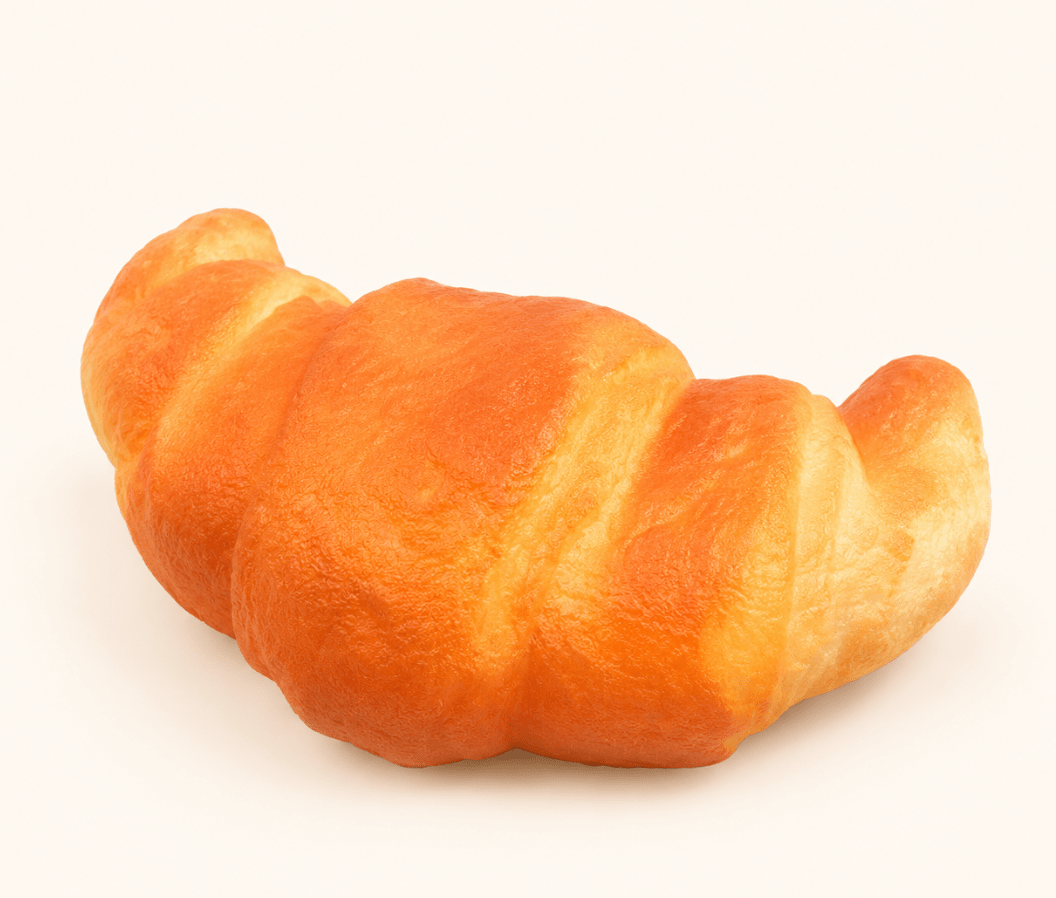
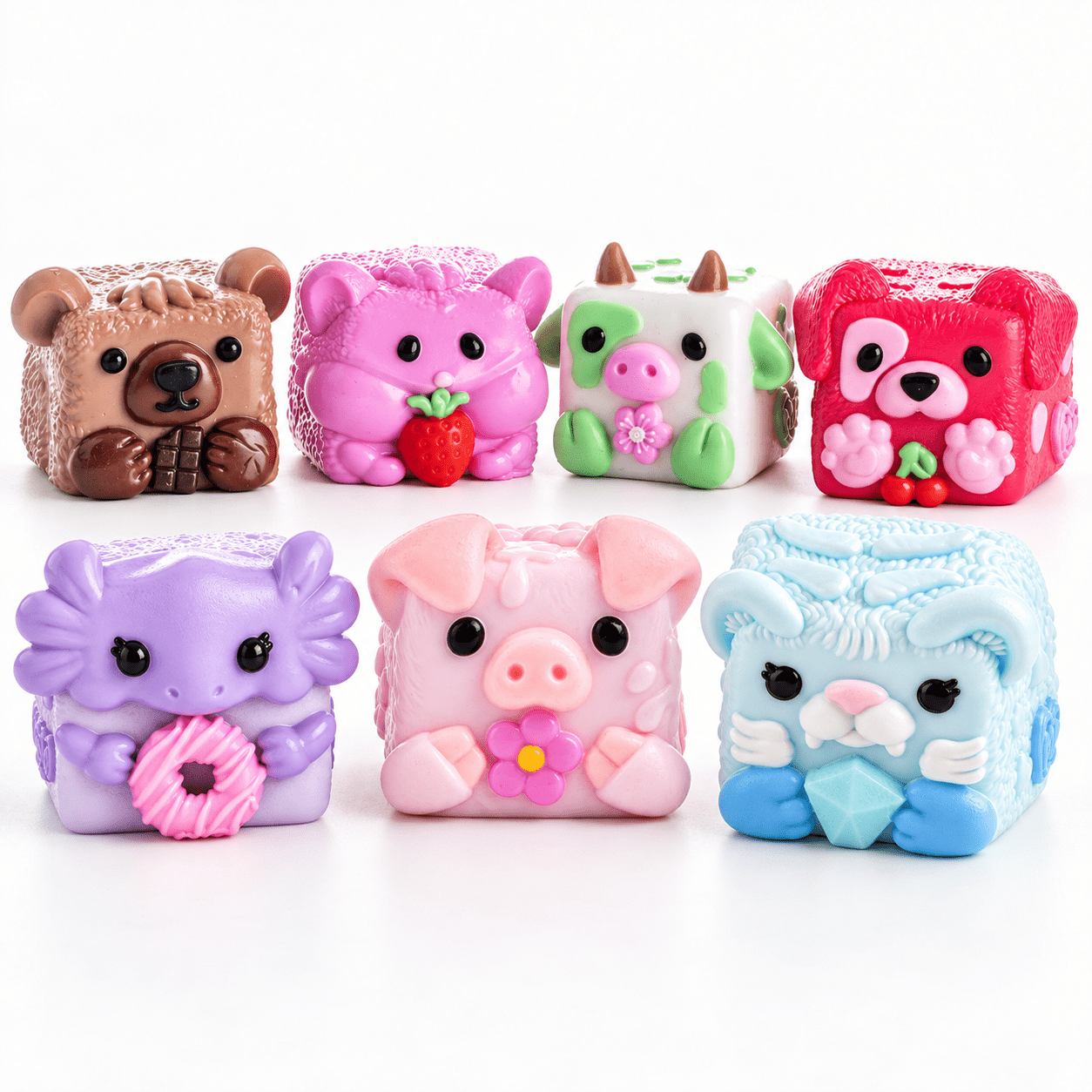
Our own pick for daily squeezing is the Mushykinz OG Taba Squishy. The Crystal Gem Squishy is another solid desk companion, and the Bread Squishies make a fun, low-cost backup for a bag or gift basket.
A sticky squishy doesn't have to mean the end of your favorite fidget toy.
Frequently Asked Questions
What can I put on a squishy toy to make it less sticky?
Cornstarch is the safest first choice. Sprinkle a small amount on the surface, rub it in with your fingers, and brush off the excess with a soft cloth. Talc-free baby powder works the same way, and baking soda is a fine backup if you have nothing else. Avoid oils, lotions, and household cleaners, since they can soak into the squishy material and make the tackiness worse over time.
Can I wash a squishy toy without damaging it?
Usually yes, as long as you keep it quick and gentle. Wipe the surface with a damp cloth and a drop of mild soap, then rinse the cloth and wipe again to remove residue. Do not soak the toy, put it in a washing machine, or hold it under running water, because moisture trapped inside can break down the filling. Pat dry with a towel and let it air dry fully before squeezing it again.
Why did my squishy toy become sticky?
Two things cause it. The first is surface residue: dust, lint, pet hair, skin oils, and food particles collect on the outer layer and turn tacky. The second is material breakdown, where the outer coating starts to degrade from heat, sunlight, or heavy use. If a wipe-down and a cornstarch treatment do not fix it, and the surface feels gooey or starts flaking, the material itself is failing rather than just dirty.
How can I prevent residue from getting on a squishy toy?
Wash and dry your hands before every squeeze, since skin oils are the biggest culprit. Store the toy in a sealed bag or a closed drawer instead of leaving it on a dusty desk or in direct sun. Keep it away from food and drinks, and give it a quick wipe with a dry cloth once a week. A light cornstarch dusting every few weeks also keeps the surface from collecting debris.
